Commercial & property services
Chimney care at building scale.
One Boulder crew for the properties that answer to a board, a lease or a health inspector: surveys, sweeping, masonry, liners and draft fans, documented every single time.
Commercial flues play by different rules.
A house has one hearth, and the stakes stop at the property line. A building is another animal entirely: flues sharing a chase, appliances burning through an entire service day, terminations you need rigging to reach, plus a lease, a code officer and an insurance carrier all reading over your shoulder. Residential outfits are tooled for the first problem. Elevate Chimney is tooled for both, and we keep the records tight enough that proving the maintenance happened takes an email, not an argument.
The portfolio does not have to be huge to qualify. Four student rentals off the Hill, a condo association in Louisville, an office park in Lafayette, a Pearl Street kitchen whose hearth never quite cools: each gets the same local crew, the same standard, and a phone number a human answers.
Who we work with
CU-area rental owners
Rentals off the Hill turn over every August. We slot the inspections into the gap between leases and leave a photo record in your file, so the liability question already has an answer.
Portfolio property managers
Doors scattered across Boulder, Louisville and Lafayette? We route the visits, deal with tenants directly, and send one tidy summary per building.
HOAs, foothills to flats
Mountain associations and downtown condo boards get the same two things: a maintenance calendar the treasurer can defend, and shared flues that stop producing surprises.
Pearl Street kitchens & hospitality
A hearth that feeds a dinner rush glazes its flue at a pace no home fireplace matches. We keep restaurant venting clean and pulling hard without closing your dining room.
Offices, retail & light industrial
Lobby fireplaces, appliance venting, rooftop stacks: serviced early, late or between shifts, so the workday never notices us.
Agents, lenders & inspectors
When a sale hinges on the flue, we deliver Level 2 findings quickly and in plain language, and the deal keeps moving.
See the commercial work
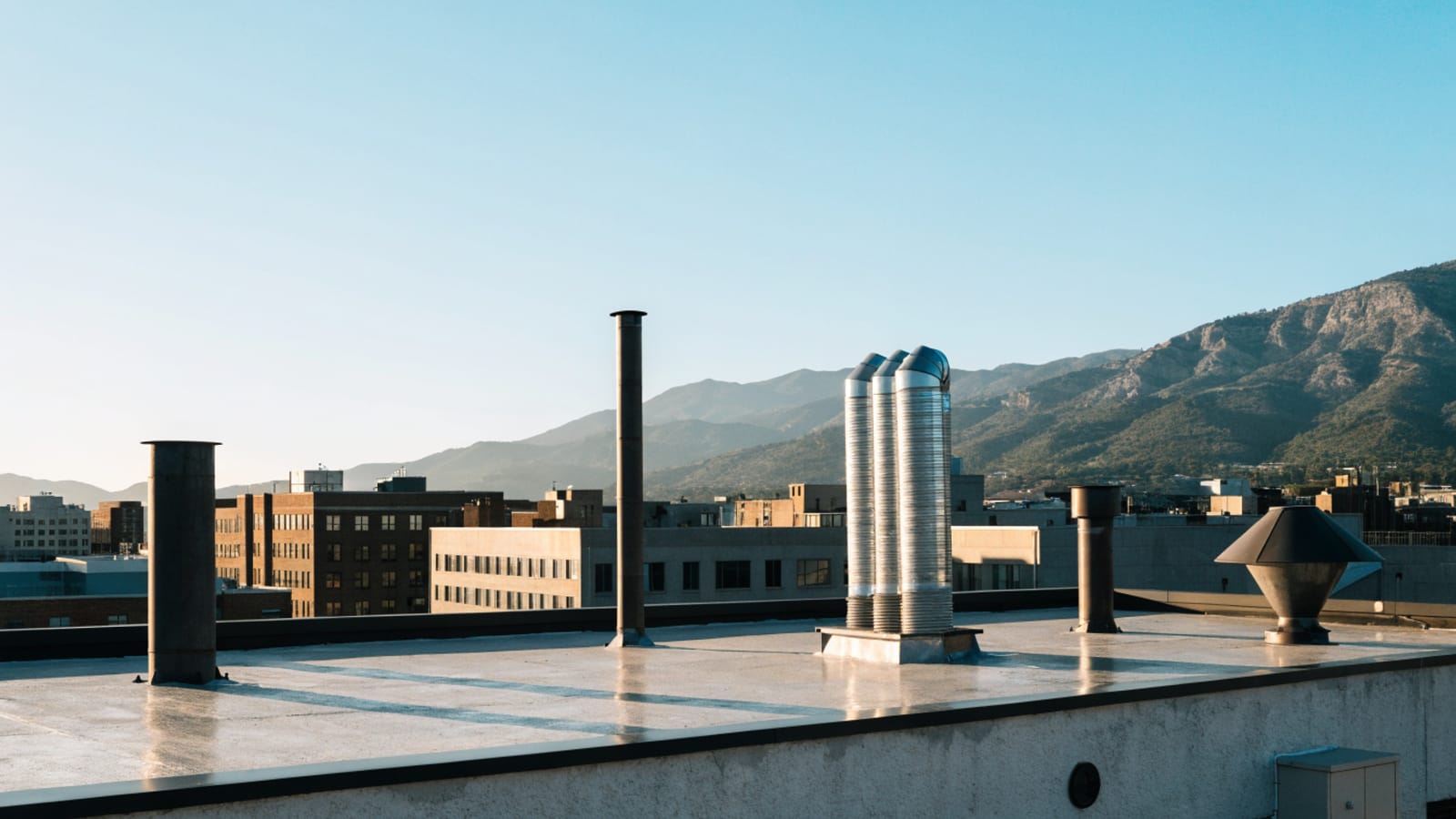
Filmed on working rooftops around Boulder County, not staged for a brochure. What you see here is what your building gets.


What we do for buildings
Everything a chimney can need, scaled up to building size. Each card opens the complete write-up for that service.
Commercial chimney inspection
Scoped on camera to NFPA 211, whether the building runs one stack or a bank of shared flues. Findings arrive as photos with plain notes, ready for the board packet or the buyer file.
The full pictureCommercial sweeping & creosote removal
Soot, obstructions and hardened glaze pulled out of wood, gas and pellet flues, restaurant hearths included, with the vacuum running before a brush ever moves.
The full pictureCommercial masonry repair & rebuilds
Freeze-thaw at this altitude is patient, so we are thorough: repointing, brick swaps, crown work and staged reconstruction on tall stacks, planned from measurements rather than squinting.
The full pictureCommercial relining
When an aging flue can no longer be trusted, a stainless liner sized to the appliance and the thin air puts the system back inside code and back in service.
The full pictureCaps, chase covers & waterproofing
Water is the slow thief on a commercial roofline. Multi-flue caps, fitted chase covers and crown sealing shut the entry points before the repair bill grows a comma.
The full pictureCommercial chimney fans & draft
Some flues simply refuse to pull, especially a mile up. Mechanical draft systems, Enervex among them, give tall buildings and stubborn hearths a dependable exhaust path.
The full pictureMetal & prefabricated chimneys
Factory-built systems come with their own rulebook. We install, service and correct prefab chimneys and their components to the listing they shipped with.
The full pictureCommercial dryer vent cleaning
Shared laundry rooms pack lint into long vent runs faster than anyone checks them. We clear the line, verify airflow, and cross a genuine fire hazard off your list.
The full pictureThe survey is the evidence
On a commercial property, the inspection doubles as your paper trail. We put a camera up each flue, one stack or a shared bank, and grade the crown, cap, flashing, damper, liner, smoke chamber and the masonry itself against the NFPA 211 benchmark. What lands in your inbox is not a verdict but a file: photographs, plain-language notes, and a record that insurers, buyers and code officials will accept at face value.
Two moments make that file worth having. The first is the day the building trades hands and a Level 2 survey has to be on record. The second is the day the carrier or the association board asks for proof the systems are sound. We also separate the findings that can wait for budget season from the ones that should not wait for Friday, which is the difference between planning and scrambling.


Sweeping, stonework & the long game
A flue venting a hard-working hearth lays down creosote on a schedule, and once that layer glazes it stops being dirt and starts being fuel. Commercial sweeping here means containment first, then the full clean: soot, obstructions and hardened glaze out of the system while your tenants and customers carry on below, unbothered.
Weather handles the rest of the damage. A hairline crack in tall masonry drinks water in October, then gets levered open by every freeze between Thanksgiving and April, while altitude sun and summer hail chew on the crown. Our answer is tuckpointing, brick replacement, crown work and waterproofing, sequenced so the small fix arrives before the structural one is required. And where age has cost a flue its pull, a correctly sized stainless reline returns the system to code and to work.
From first call to signed-off file
Site walk
We tour the property with you, note each appliance, flue and roof access, and write a scope both sides actually understand.
Camera survey
Every system gets an NFPA 211 look on camera, and every finding gets a photo plus a plain sentence explaining why it matters.
One written number
The quote lands before the work does, priced as a whole and timed around leases, guests and service hours.
Work, then receipts
The crew finishes clean, and the compliance records, photos and any insurance paperwork go straight into your owner file.
Two bosses: the code book & the sky
Every commercial flue in this county reports to a pair of authorities that never negotiate. The first is regulation: we work and document to NFPA 211, we know our way around City of Boulder permitting, and we understand how Air Quality Action Day restrictions land on heavy-use systems. Boards get surveys their governing documents recognize, and hardware consistent with what the association has already approved for the building.
The second is the sky at a mile of elevation. Thin air changes draft behavior, freeze cycles pry at mortar joints all winter, and Chinook winds and spring hail retire flashing years ahead of schedule. So every repair, cap and draft correction is specified for the roofline it will actually live on, not for the average building in the average city.

Pricing, without the fog
No two buildings price alike, so we will not pretend a rate card exists. What actually moves the figure: the flue count, how much vertical stands between the truck and the termination, what the appliances burn and how relentlessly, and the length of whatever repair list the camera produces. A straightforward rooftop survey sits at the small end of that scale; masonry plus a reline on a shared stack sits at the other.
The constant is the process. We walk the property, we put one figure in writing, and tools come out only after you have said yes to it. Plenty of managers then move to an annual arrangement, which keeps the line item predictable and the survey dates off the worry list. The pricing overview goes deeper, or skip the reading and call.
Why managers choose Elevate
Routes, not round trips
A whole building, or a whole portfolio, in as few mobilizations as access allows, sequenced so each tenant is disturbed once and briefly.
Paper that satisfies auditors
A certificate of insurance in your inbox before we arrive if you want it, and photo evidence of the work afterward, filed where your owner can find it.
The standard is the standard
NFPA 211 governs how we inspect and service, in a bungalow or a six-story stack, so compliance is baked in rather than bolted on.
One number to call, one to pay
A single crew to deal with and a single invoice at the end, instead of refereeing a bench of subcontractors.
Light footprint
Containment up, vacuums running, and the lobby looking untouched by the time the lunch crowd arrives.
County roots
Based in Boulder, working these same rooflines all year. We answer fast because we are already nearby, and we probably already know your building type.
Commercial chimney FAQ
What inspection and sweeping schedule does a commercial building actually need?
The floor is set by NFPA 211: a professional eye on each flue annually. Above that floor, usage decides. A Pearl Street hearth burning through nightly dinner service may need attention several times a season, while a lobby fireplace lit twice each winter can usually wait for its yearly visit. After the first survey we put a schedule in writing that matches how your building really burns.
Can you show insurance paperwork and put your findings in writing?
Both, as a matter of routine. Ask, and a certificate of insurance reaches you before the truck leaves the shop. Every survey we run comes back as photographs with written notes that a board, an insurer or a buyer can read without a translator.
We manage buildings in several towns. Is that one job or many?
One. Hand over the address list, from Boulder out to Louisville, Lafayette or Longmont, and we build a route around it: access coordinated with your tenants, the whole run handled by the same crew, and a single consolidated invoice at the end instead of a stack of them.
Our restaurant runs a wood-fired oven. Is that your territory?
The chimney side of it, yes. High-heat hearths, grills and gas appliances push exhaust into flues that glaze quickly, and cleaning and inspecting that venting path is core work for us. The kitchen hood and grease duct are a different trade, and we will say so rather than dabble.
What drives the price of commercial chimney work?
Four variables do most of it: how many flues the property has, how much vertical sits between the truck and the termination, what the appliances burn and how hard they run, and whatever the camera adds to the repair list. We walk the site first, then hand you one figure in writing, and nothing gets added to it after the fact.
Tall stacks and shared flues: can you actually reach them?
Yes. Multi-story masonry, banks of shared flues and rooftop terminations are ordinary work for this crew. We arrive with the rigging and roof access gear the height calls for, because improvising at altitude is how trades get hurt.
The whole service list, homes and buildings alike
Put the portfolio on our calendar.
Send the address list, the unit count, or just the problem that has been ignored the longest. Back comes a written commercial quote and a schedule that respects your leases and your lunch rush.