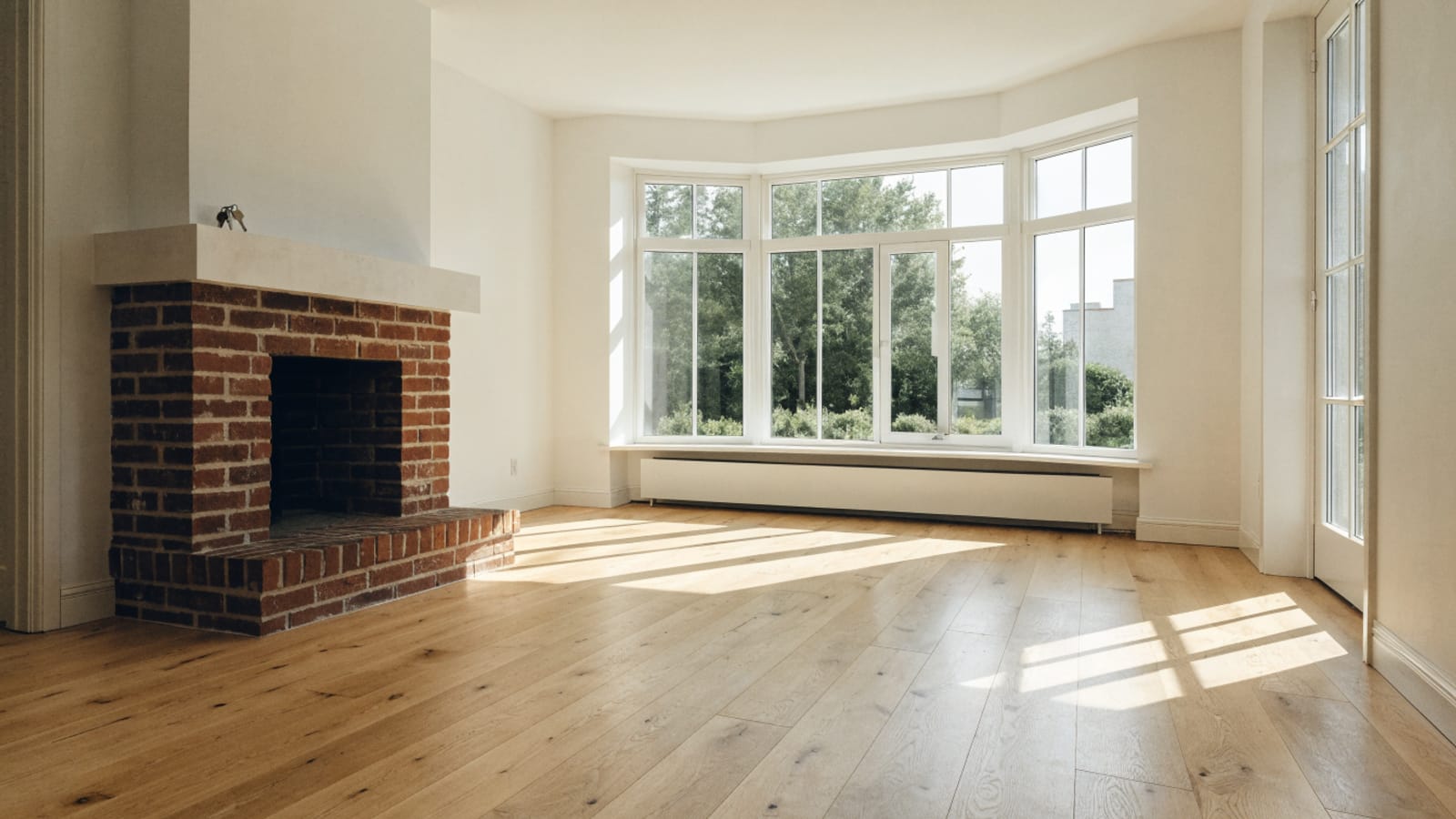
A house changing hands gets examined more thoroughly than at any other moment in its life. The roof gets walked, the furnace gets tested, the sewer line gets scoped by camera, and the radon test runs in the basement for two days. Then everyone stands in the living room, admires the fireplace, and moves on. The chimney is routinely the single largest system in a Boulder home that transfers without anyone looking inside it.
That is a strange gap, because chimney work sits in an awkward price range: rarely trivial, occasionally five figures, and almost always cheaper to discover during a transaction than after one. This is what buyers and sellers should know before the inspection window closes.
What a general home inspection covers, and where it stops
A good general inspector will tell you the chimney exists, whether the visible masonry looks sound from the ground, whether the damper moves, and whether there is obvious staining on the ceiling nearby. That is genuinely useful and it is also the edge of the scope. General home inspection standards do not require an inspector to scan the interior of a flue, and most do not carry a chimney camera.
So the report comes back saying the fireplace was observed and appeared serviceable, which is true, and which tells you almost nothing about the twenty or thirty vertical feet of liner where every expensive problem actually lives. Cracked tiles, open joints, a rusted-through liner and a decade of glazed creosote all look identical from the hearth rug: like a fireplace.
Why a sale is the moment for the deeper inspection
Chimney inspections come in three grades, and the middle grade was written for moments exactly like this one. Our inspection page lays out what each grade covers; what matters in a real estate context is that a change of ownership is one of the specific situations the deeper inspection exists to serve, because it puts a camera through the entire length of the liner instead of stopping at what can be seen from the room.
The logic is about lost memory rather than extra billing. Right now, somebody knows things about that fireplace. They know it puffed into the room on west wind evenings, or that a contractor sealed it off in 2011, or that there was an incident one Christmas that everyone stopped mentioning. On closing day, all of that walks out the door with the sellers, and the only witness left is the flue itself. A camera is how you interview it.
What we actually find in Boulder transactions
Some patterns repeat often enough here to be worth naming.
Unlined flues in the older blocks
Plenty of houses in Whittier, Mapleton Hill and around University Hill predate flue liners entirely. An unlined masonry chimney is not automatically an emergency, but it is a material fact about the property, and it changes what the buyer can safely do with the fireplace. A buyer planning weekly winter fires in an unlined flue is planning a relining project whether they know it yet or not.
Cracked or shifted clay tiles
The classic camera finding. Tiles crack from heat, from settling, from a past chimney fire nobody disclosed because nobody knew. Gaps between tiles let heat and combustion gases reach framing they were never meant to touch, which is the failure mode the standards exist to prevent.
The orphaned water heater
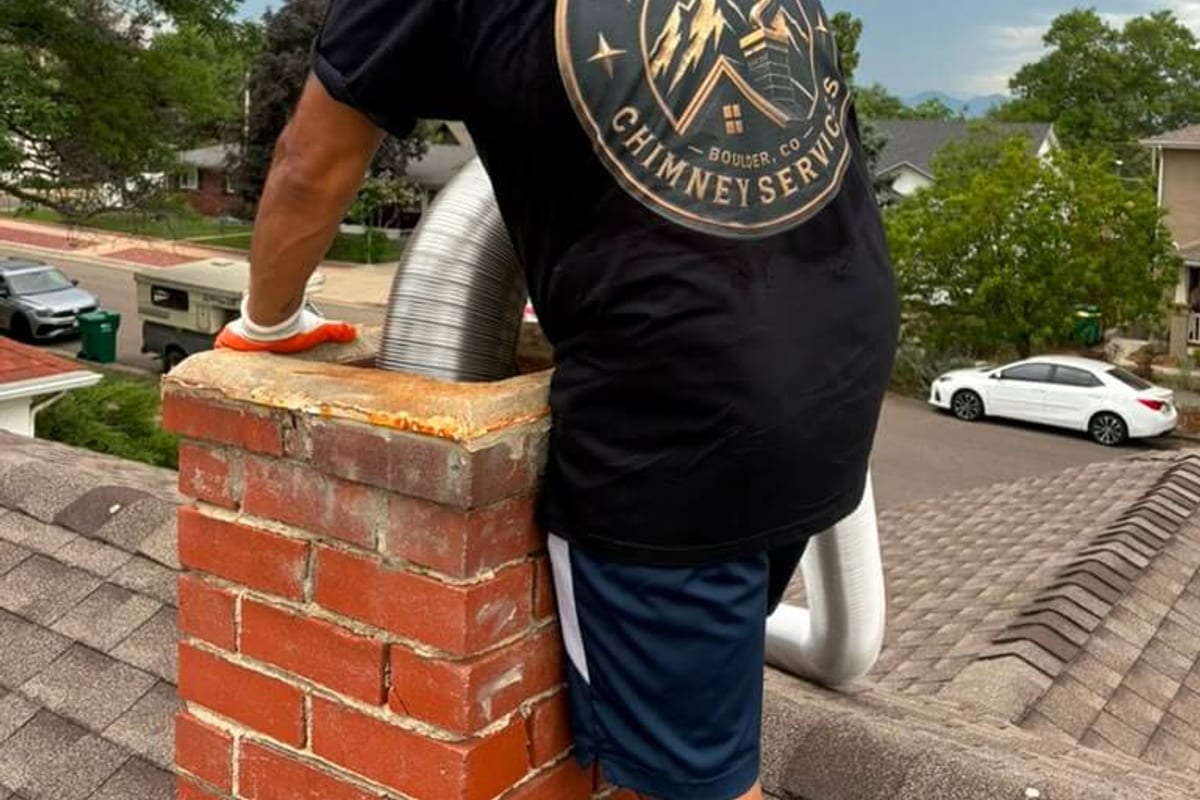
This one is nearly invisible and very common. A previous owner upgrades to a high-efficiency furnace, which vents out a side wall through plastic pipe, and the old gas water heater is left behind sharing a masonry flue that was sized for two appliances. Alone in that oversized chimney, the water heater's cooler exhaust never warms the flue enough to draft properly, so it condenses on the walls. The condensate is acidic, it eats mortar from the inside, and a poorly drafting water heater flue is a combustion gas problem, not merely a masonry one. The usual fix is a correctly sized liner, and it is exactly the sort of thing that costs a fraction as much to catch in escrow.
Crowns and caps nobody has looked at
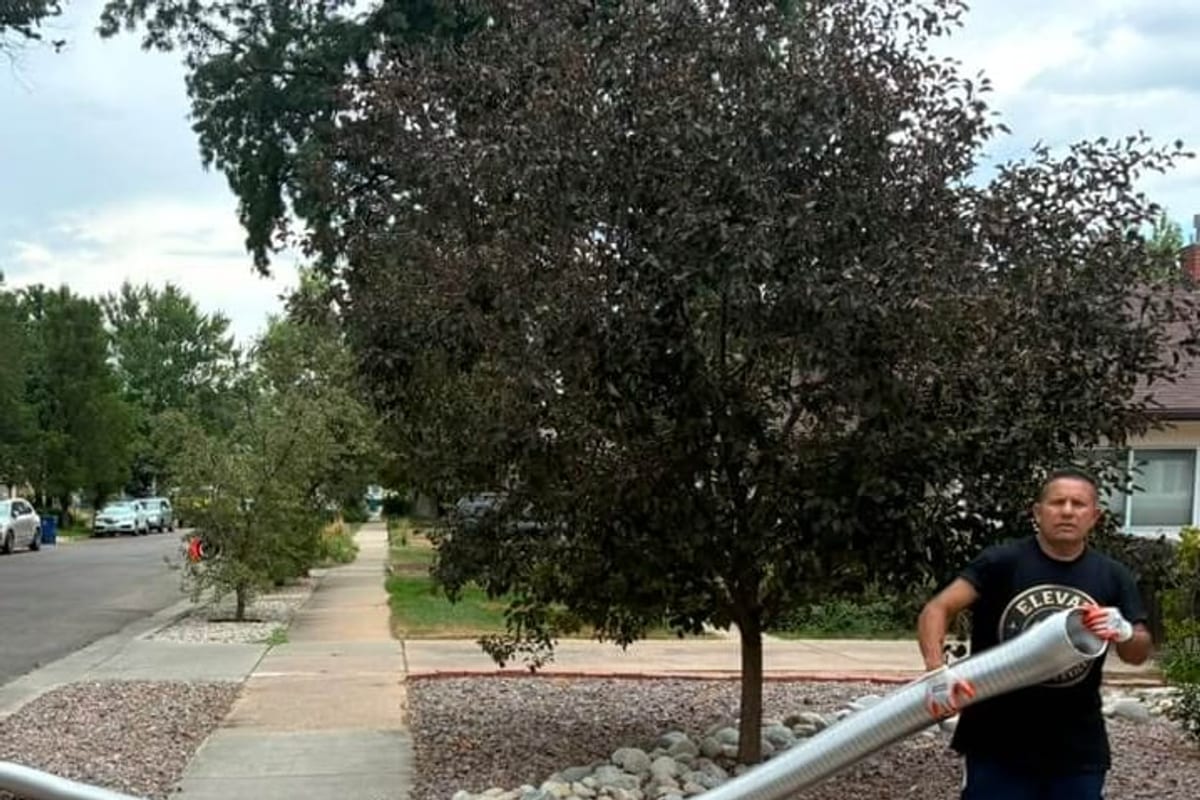
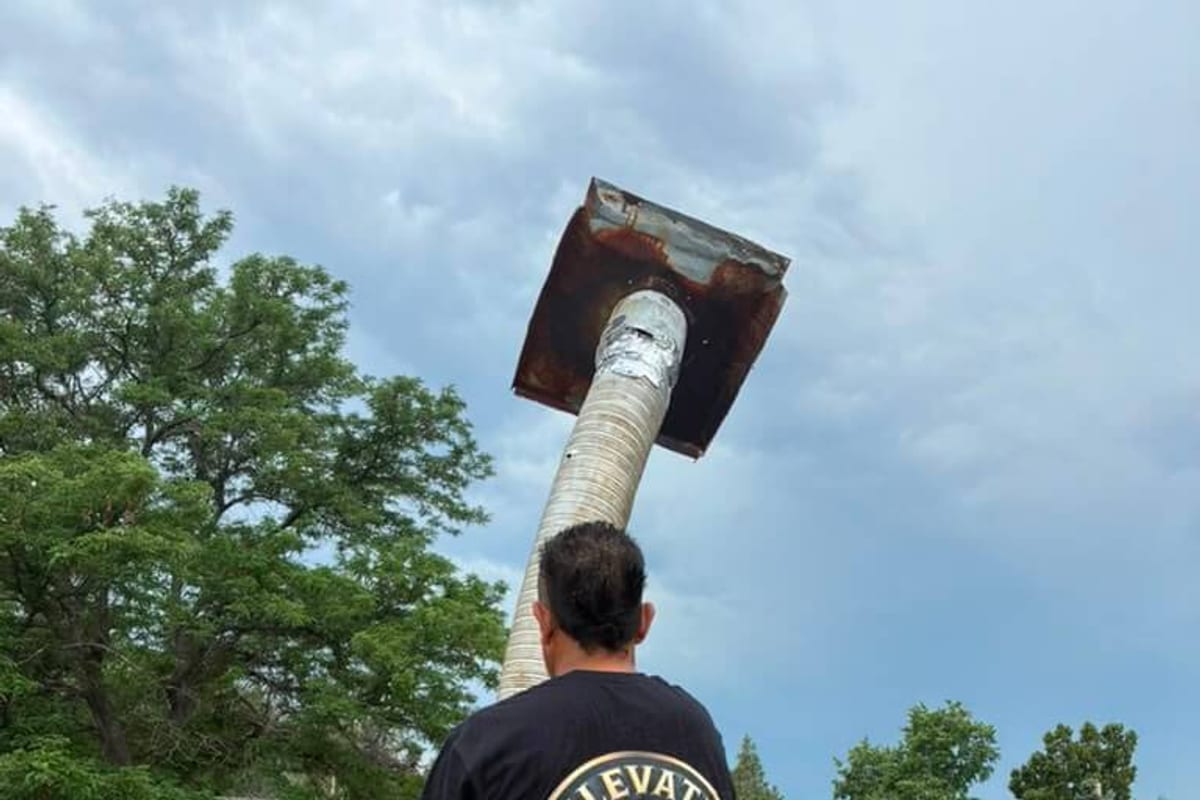
The top of a chimney is the part no one has seen since the last roofer. Cracked crowns and missing caps let water into the system every storm, and in a freeze-thaw climate that quietly funds future masonry repair. Photographs from the roof are often the most persuasive page of the report.
The fireplace that was quietly retired
Sometimes the honest finding is that the fireplace has been decorative for years: a capped flue, a sealed damper, a gas line abandoned in place. Buyers who priced the home partly on the charm of a working hearth deserve to know that before closing rather than during their first cold snap.
If you are buying
Book the chimney scan in parallel with your general inspection rather than after it, because the inspection objection deadline in a Colorado contract does not wait for your scheduling convenience. Ask for the footage, not just the summary; a competent inspection hands you images you can forward to your agent, your lender or a second opinion. And be specific in what you ask for: request a Level 2 camera inspection of every flue in the house, because homes with two fireplaces and a furnace flue routinely get one of the three looked at.
If the report finds something, resist the instinct to treat it as a deal-breaker before it is priced. Relining a single flue is a defined, one-day job. Rebuilding a chimney from the roofline up is a different conversation. The difference between those two outcomes is knowable in an afternoon, and it is far better negotiated with a written scope in hand than with a vague fear of the unknown.
If you are selling
The strongest position in any negotiation is having already answered the question. A pre-listing chimney inspection does three things: it removes a category of surprise that can stall a deal at the worst moment, it lets you shop repairs calmly instead of accepting a buyer's rushed estimate under deadline pressure, and it gives your agent a document to hand over when the topic comes up. Sellers who fix a cracked crown and a missing cap before listing frequently spend less than the credit a buyer would have demanded for the same finding.
Disclosure is the other half. In Colorado, sellers complete a property disclosure covering known conditions, and a chimney problem you know about belongs on it. Having an inspection report also means you are disclosing a documented condition with a quote attached, which is a far more controlled conversation than disclosing a worry.
The saddest calls we take are from people three months into a house, lighting the first fire of the season, who watch smoke roll into the living room and then learn what the flue looks like inside. Every one of those findings was there on closing day. Nobody had put a camera up.
- The crew at Elevate Chimney
How chimney findings get handled in a deal
In practice there are four outcomes and they are all normal. The seller repairs before closing, which suits sellers who want the cleanest possible transfer. The seller credits the buyer at closing, which suits buyers who would rather choose their own contractor and timing. The price gets adjusted, which is simply the credit by another name. Or the parties agree the fireplace is decorative going forward, the flue is properly sealed, and everyone prices the house accordingly.
What makes any of those workable is a written scope with photographs. A finding described as the chimney needs work invites a fight. A finding described as one flue requires a stainless liner of a stated diameter, with images of the cracked tiles at three specific depths, invites a number.
Timing it so it does not eat your inspection window
Colorado contracts move quickly, and the objection deadline arrives faster than anyone expects. Call for the chimney scan the day you go under contract rather than after the general inspection report lands, because that report is often what prompts the call and by then you have burned several days of a short window. Most Boulder homes need a single visit of about an hour per flue, and the findings can be in your hands the same day.
What it costs to find out
Our camera inspection is free, including in a transaction, and the findings are yours to use however the deal requires, whether or not we ever do the repair. If work is warranted you get a written, itemized quote before anything begins, and our approach to quoting explains how those numbers are built. We are equally willing to write down that a chimney is sound, which in a negotiation is worth having in writing too.
Home sale chimney FAQ
Does a standard home inspection include the chimney?
Only the visible, accessible parts. General inspection standards do not require scanning the interior of the flue, and most inspectors do not carry a chimney camera. The fireplace gets observed; the liner, which is where the expensive findings are, generally does not.
Who pays for chimney repairs found during a sale?
It is negotiable, and all four common outcomes happen regularly: seller repairs, seller credit, price adjustment, or an agreement to retire the fireplace. What decides the negotiation is having a documented scope with photographs rather than a general worry.
How long does a Level 2 chimney inspection take?
Usually about an hour per flue for a typical Boulder home, including the camera run and the roof-level look at the crown, cap and flashing. Homes with multiple fireplaces take longer, and every flue should be scanned rather than a representative one.
Should a seller inspect the chimney before listing?
If the fireplace is a selling feature or the house is older, it is usually worth it. Knowing the answer early converts a possible mid-deal crisis into a line item you controlled, priced and can hand over on paper.
Can a chimney problem affect financing or insurance?
It can. Lenders and insurers care about health and safety conditions, and a flue with a documented defect can attract attention during underwriting. That is another argument for finding out during the inspection period, while there is still time and leverage to resolve it.