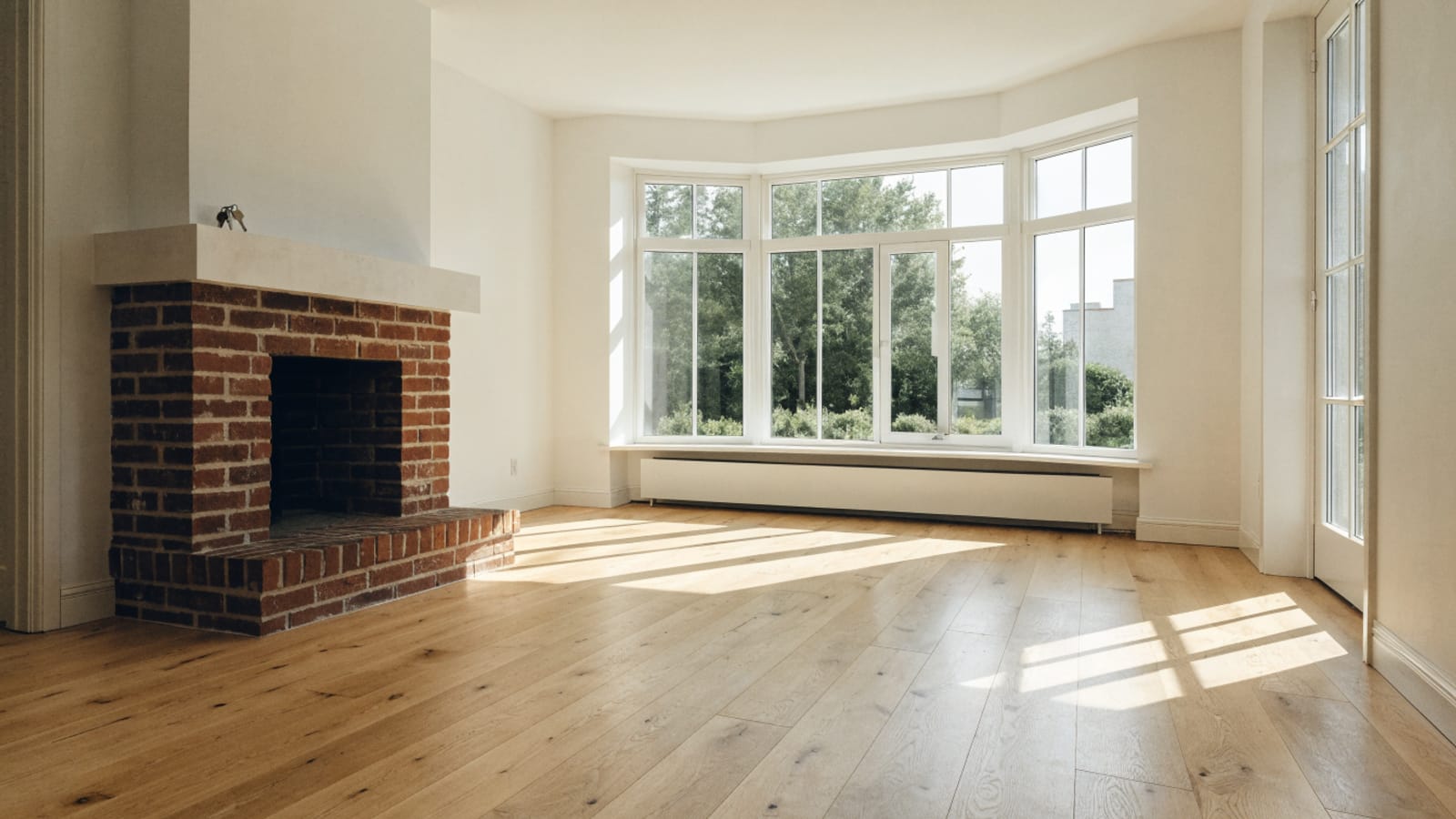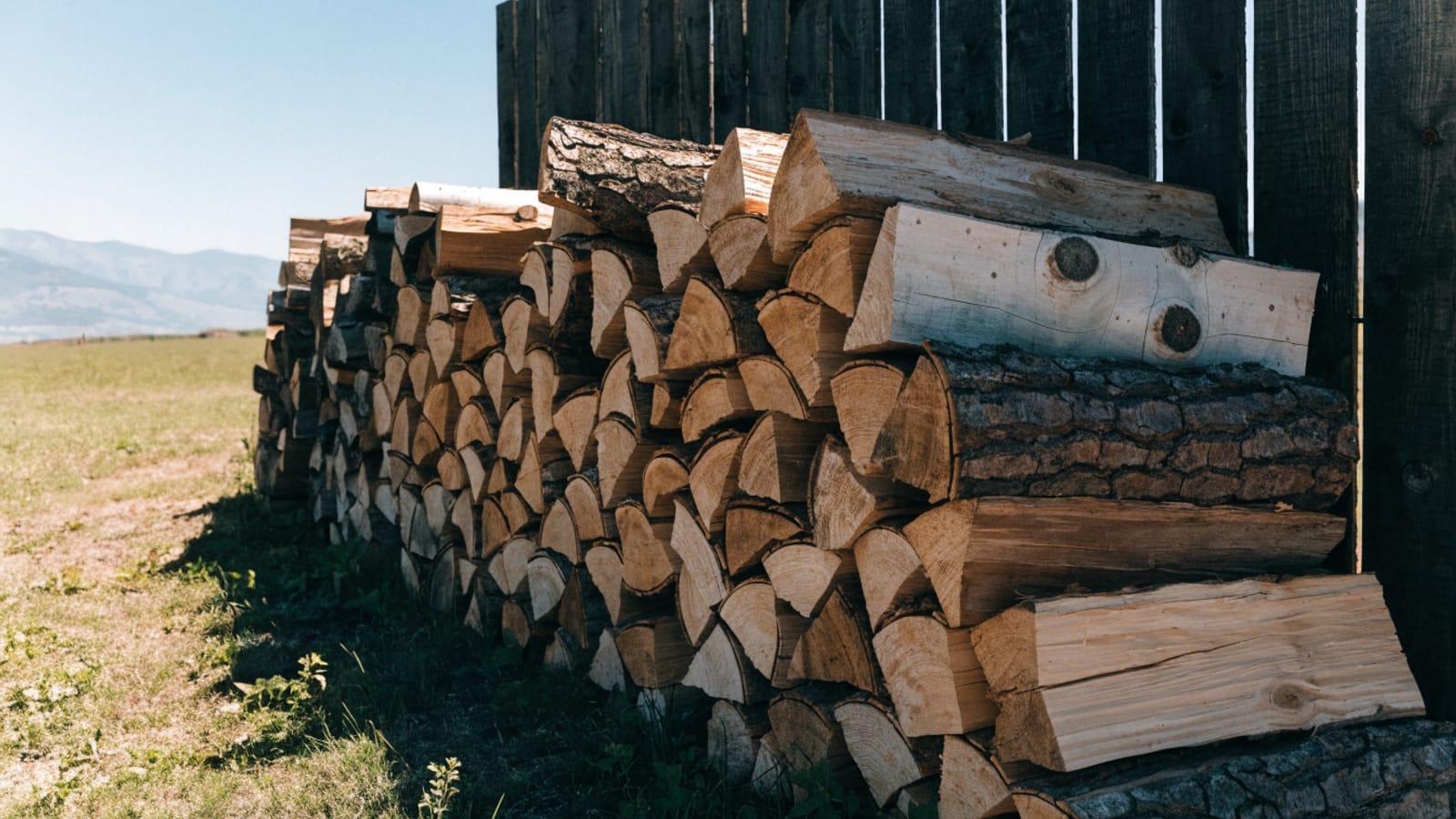
Almost every smoky evening we get called about traces back to the woodpile rather than the chimney. The flue is often fine. The wood is wet, or it is the wrong species for the job, or it was stacked where the snow could find it. Wood is the only part of a fireplace you buy over and over, and at 5,430 feet it behaves differently than the advice printed in most national guides. This is what actually works on the Front Range.
Why altitude and dry air change the conversation
Two local conditions matter. The first is thin air: there is less oxygen per lungful for you and less per cubic foot for the fire, so combustion runs a little lazier here than at sea level and cool, smoldering fires are easier to end up with by accident. The second is our humidity, or rather the lack of it. Boulder air is dry most of the year, and dry air is a free wood kiln. That combination means the penalty for burning wet wood is higher here than in wetter states, and the reward for seasoning properly arrives faster.

The species a Front Range seller will actually offer you
Ignore the firewood charts written for the East Coast. Here is what turns up on Craigslist, at the hardware store and on the back of a neighbor's truck around Boulder.
Lodgepole and ponderosa pine
The default Colorado firewood. Light, splits easily, seasons quickly, lights without argument. It carries less heat per cord than dense hardwood, so you feed the fire more often, and it throws more sparks, which is an argument for a sound spark arrestor rather than an argument against the wood.
Beetle kill pine
Standing dead pine, blue stained by the fungus the beetles carry, and abundant across Colorado. It is often quite dry before anyone touches it, which makes it convenient, and it burns clean when it is genuinely seasoned. It is still pine: fast, bright and hungry for reloading. The blue color is cosmetic and harmless.
Aspen
Light, fast, mild. Aspen is a pleasant shoulder-season wood for a September or May fire when you want the look and a little warmth without cooking the room. It is a poor choice for a January night; you will spend the evening feeding it.
Cottonwood and willow
Common along the creeks and generally not worth hauling. Both are low in heat, tend to go punky if they sat on damp ground, and produce more smoke for the warmth returned. If someone offers you free cottonwood, the wood is free and the disappointment is included.
Oak, locust and other imported hardwoods
Dense, long burning, roughly twice the heat per cord of the local softwoods, and priced accordingly because it is usually trucked in. If you burn most winter evenings and you have somewhere dry to keep it, a hardwood pile earns its cost in fewer reloads and a steadier overnight burn.
Juniper and pinyon
Aromatic, dense for a softwood, and beloved by anyone who has spent time further south. Juniper pops enthusiastically, so it belongs behind a screen or glass doors rather than in an open firebox you plan to leave unattended.
The pine myth, and what actually drives creosote
You will be told, confidently and often, that burning pine ruins chimneys. It is the most persistent piece of folklore in this trade, and it is mostly wrong. Creosote forms when smoke cools below its condensation point on the way up the flue and deposits as tar on the walls. What makes smoke cool and heavy is a fire running too low and too wet, not the species printed on the invoice. Dry pine burning hot leaves less behind than wet oak smoldering all evening. Resin gives pine its reputation, but moisture and burn temperature do the actual damage.
What is fair to say about pine is that it burns fast, which tempts people to damp the fire down to stretch a load, and a damped-down fire is exactly the cool, smoky condition that lays creosote. The wood did not cause that. The habit did.
We have swept flues for households that burned nothing but pine for twenty years and found them in better shape than a neighbor's oak-only chimney. The difference was never the species. It was that one of them burned dry wood hot and the other spent every evening choking the fire down to make it last.
- The crew at Elevate Chimney
Seasoning: the one thing Colorado makes easy
Freshly felled wood can be half water by weight. Seasoning is simply letting that water leave, and our dry air and high-altitude sun do the work faster than almost anywhere else in the country. As a rough planning figure, split softwood stacked properly in the spring is usually ready by the following heating season, while dense imported hardwood wants a full year and is happier with two.
The word that matters in that sentence is split. A round log has bark on all sides, which is exactly what the tree designed to keep water in. Splitting exposes the open grain that lets moisture escape. Wood stacked in rounds is not seasoning; it is waiting.
The moisture number that decides everything
Seasoned means below roughly twenty percent moisture content. That is the whole target. A pin-type moisture meter costs less than a single cord and removes all guesswork: split a piece, press the pins into the freshly exposed face, and read it. Testing the weathered outside of a split tells you about the weather, not the wood.
Without a meter, the field tests are decent. Seasoned wood is noticeably lighter than it looks, the ends are checked with cracks radiating from the center, the bark has often loosened, and two pieces knocked together give a sharp knock rather than a dull thud. If a split hisses or bubbles at the cut end once it is in the fire, it went in too early.
How to buy a cord without getting shorted
A cord is a defined volume: 128 cubic feet, which stacks out to four feet by four feet by eight feet. That is the only unit with a fixed meaning. Everything else in the firewood vocabulary is negotiable, and that is where buyers lose money.
A face cord, sometimes called a rick, is four feet tall by eight feet long by whatever depth the seller cut, and if that depth is sixteen inches you have bought roughly a third of a cord. A truckload means whatever the truck holds. When you are quoted a price, ask for the stacked dimensions and do the arithmetic, and where you can, buy from someone willing to deliver stacked or let you see it stacked before it is dumped. A pile of tumbled wood on a driveway is impossible to measure honestly and everyone in the transaction knows it.
Ask two more questions while you are at it: when was it cut, and has it been split and stacked since? Wood cut last month and split yesterday is green regardless of what the ad said.
Stacking so the weather cannot undo your work
Get the pile off the ground on pallets or rails, because bare soil wicks moisture straight back into the bottom row. Stack in single rows rather than one deep block so air can move through, orient the row to catch sun and the prevailing breeze if you have the choice, and cover the top only. Wrapping a woodpile in a tarp is the most common mistake we see in Boulder yards: it traps the moisture leaving the wood and turns a seasoning pile into a humid tent. Top covered, sides open.
Keep the working pile away from the house. Woodpiles against siding invite insects and rodents toward the structure, and in a county that thinks hard about ember exposure, a large stack of fuel touching the wall is worth relocating a few strides out.
What should never go in the firebox
Pressure treated or painted lumber, because the smoke carries what the treatment carried. Plywood, particle board and OSB, for the adhesives. Driftwood and any salt-exposed wood, because the chlorides are hard on metal. Trash, plastics, glossy wrapping paper and cardboard, which flare, float embers up the flue and coat it. Old Christmas trees, which are resin bombs and briefly turn a fireplace into something much more exciting than anyone wanted. And never a liquid accelerant, in any quantity, for any reason.
Buy it where you burn it
Firewood is a very effective way to move tree pests into a place that did not have them. Boulder has lived with emerald ash borer, and Colorado has restricted moving ash wood at various times for exactly that reason. The safe habit is simple and does not require tracking the current rules: buy your wood close to where you plan to burn it, do not haul loads across the state or in from out of state, and burn what you buy in the same season rather than storing mystery wood for years. If you want the current specifics, the Colorado State Forest Service publishes them.
How the woodpile shows up inside your flue
Everything above eventually becomes our problem or does not. A household burning dry, well-chosen wood in hot, honest fires will often need sweeping less often than the calendar suggests, and the camera at the top of the annual inspection tends to show light, brushable soot. A household burning wet or unknown wood in slow, smoldering fires builds glazed creosote, which is the stage that stops brushing off and starts being fuel.
That is the practical case for caring about wood at all. The pile is the cheapest lever you control, and it is the one that decides how much of our attention your chimney will need.
Firewood FAQ
What is the best firewood for a Boulder fireplace?
For most Boulder homes, well-seasoned local pine is entirely adequate and easy to source, with a portion of dense hardwood if you burn frequently and want longer, steadier evening fires. Dryness matters more than species. A cord of properly seasoned pine will outperform a cord of green oak every night of the week.
How long does firewood take to season in Colorado?
Our dry air and strong sun speed things up considerably. Split softwood stacked off the ground in spring is generally ready for the next heating season, while dense hardwood wants a year or more. The calendar is a planning tool; a moisture meter reading under twenty percent is the actual answer.
Is beetle kill pine safe to burn?
Yes. The blue stain is a fungus carried by the beetles and it does not affect how the wood burns or what it produces. Standing dead beetle kill is often partly seasoned already, which is convenient, but still check it rather than assuming, because a dead tree that fell into damp ground can be wetter than it looks.
Can I burn wood that has been rained or snowed on?
Surface moisture from a storm is not the same problem as unseasoned wood. Bring the splits inside a day or two ahead so the outside dries, and burn them normally. What you cannot fix indoors is water that soaked deep into wood which sat uncovered for months. That piece needs a season, not an afternoon.
Does burning pine really need more chimney sweeping?
Not because it is pine. Buildup tracks how cool and wet your fires run, and a household that damps pine down to stretch a load will accumulate faster than one burning it hot. The annual inspection settles it for your specific chimney rather than for pine in general.